The Growing Market of Fake Documents: A Cautionary Overview
In an age of rapid technological advancement, the counterfeit document market is growing. Fake documents-- from passports and chauffeur's licenses to diplomas and recognition cards-- have become increasingly accessible. While there are a myriad of uses for these documents, many are illegal and come with significant threats, both legally and personally. This article will explore the advantages and disadvantages of getting fake documents, the approaches used to obtain them, and the possible consequences of such actions.
Understanding the Demand for Fake Documents
The need for fake documentation stems from a variety of intentions. Some individuals look for to obtain deceptive documents for genuine reasons, such as helping with travel or browsing bureaucratic red tape. However, a significant part of the demand stems from those trying to dedicate fraud, avert the law, or merely discover faster ways in life.
Typical Types of Fake Documents
- Passports: Often demanded for travel or to secure a new identity.
- Motorist's Licenses: Used regularly by underage people looking to buy alcohol or gain entry to clubs.
- Diplomas and Transcripts: Created by individuals wishing to present themselves as more received job chances.
- Recognition Cards: Needed for various purposes, such as accessing services or verifying identity.
- Social Security Cards: Utilized for unlawful work or to gain access to government services fraudulently.
Reasons Behind the Acquisition
People look for fake documents for various reasons, consisting of:
- Identity Fraud: Many usage fake identification to impersonate another person for financial gain or legal avoidance.
- Employment Obstacles: Some individuals acquire fraudulent diplomas or credentials to bypass certification barriers in the task market.
- Migration Challenges: In desperate scenarios, individuals may utilize fake passports or visas to get away overbearing programs or unwanted scenarios.
- Age Verification: Some younger people resort to fake identification to participate in activities limited to adults.
The Online Marketplace for Fake Documents
The rise of the internet has further fueled the proliferation of fake documents. Various websites and forums produce a comprehensive market where individuals can acquire a variety of incorrect documents.
Approaches of Acquisition
- Dark Web: The most notorious location to acquire fake documents is through the dark web, where anonymity reigns and deals are often untraceable.
- Social Media: There are groups and pages on numerous social networks platforms that link purchasers and sellers of prohibited documents.
- Street Vendors: In some city locations, people can find vendors who offer fake documents for a fee.
- Peer-to-Peer Networks: Word-of-mouth and referrals regularly lead individuals to less noticeable sources of counterfeit documents.
Although getting fake documents might appear relatively straightforward, it is important to comprehend the dangers involved.
Risks Associated with Fake Documents
- Legal Penalties: The main risk of obtaining or using fake documents is legal problem, which can consist of significant fines and imprisonment. Many jurisdictions deal with identity scams as a serious criminal offense, frequently leading to substantial legal repercussions.
- Exposure to Scams: Purchasing fake documents online can expose purchasers to scams. These transactions are frequently unregulated, leaving buyers susceptible to fraudsters who might take their money without providing an item.
- Credibility Damage: Being caught with a fake document can lead to a tarnished reputation that impacts personal and professional relationships.
- Problem in Travel and Employment: Those using fake documents may discover themselves disallowed from travel or denied job opportunity as soon as their scams is exposed.
Often Asked Questions
1. Are fake documents easily detectable?
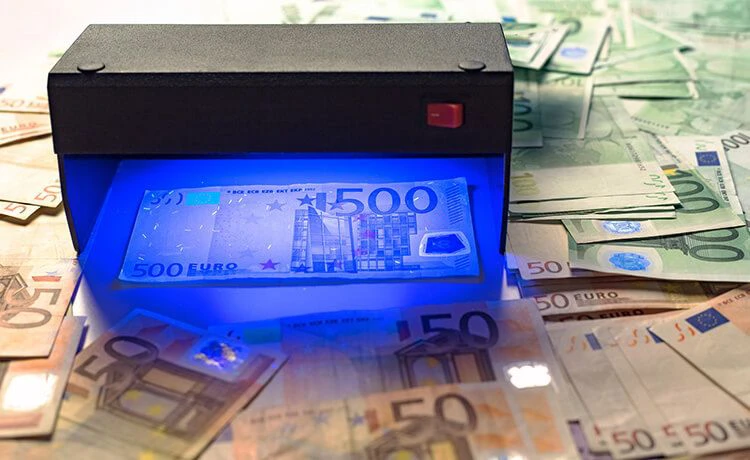
Lots of fake documents can be found due to improvements in security technology and rigorous confirmation procedures utilized by federal governments and organizations. Functions such as holograms, microprinting, and embedded security chips make it tough to replicate authenticity.
2. What are the legal repercussions for using fake documents?
Legal charges differ by place but can consist of fines, neighborhood service, and jail time. In some cases, people might likewise deal with charges connected to scams or identity theft, resulting in more extreme sentences.
3. How can I report believed counterfeit documents or sellers?
Individuals can report counterfeit documents or sellers to regional police. Numerous countries likewise have nationwide scams hotlines or customer security companies that manage such grievances.
4. Are there any legitimate usages for fake documents?
While the line in between genuine and illegitimate usages for fake documents is blurry, some people argue that they are essential for undocumented immigrants seeking a better life. However, even in these scenarios, the legal implications remain extreme and complex.
5. Can I get captured utilizing a fake document after years of usage?
Yes, even if somebody has actually utilized a fake file for several years without detection, changes in confirmation technology or a routine check can expose them. The longer a person utilizes a fake file, the more likely they are to face problems.
The marketplace for fake documents continues to prosper, driven by a blend of need and opportunism. Nevertheless, the risks associated with such actions far outweigh any prospective advantages. Provided view publisher site , ethical, and individual effects of using counterfeit documents, individuals are strongly advised to believe seriously about their inspirations and think about alternative, legitimate options to their challenges. The attraction of fast repairs can be appealing, however the long-term repercussions of such decisions can lead to considerably more distress than any short-term gain.